
Virtual Succession Planning in 6 Steps
When you think of succession planning (SP), does it seem like an all-consuming task that requires a lot of money, time, and resources? Research shows this is a very common belief — and it's keeping too many organizations dangerously unprepared.
According to the Gallup 2025 Small Business Survey, the majority of small business owners — most of whom are 55 or older — do not have a clear plan for what will happen to their business when they leave. And it's not just small businesses: a PwC Family Business Survey found that nearly two-thirds of family businesses don't have a documented and communicated succession plan. Meanwhile, the Gartner 2023 Board of Directors Talent Survey found that only 51% of directors say their company has a written plan for the current CEO's succession — a striking gap even at the largest organizations.
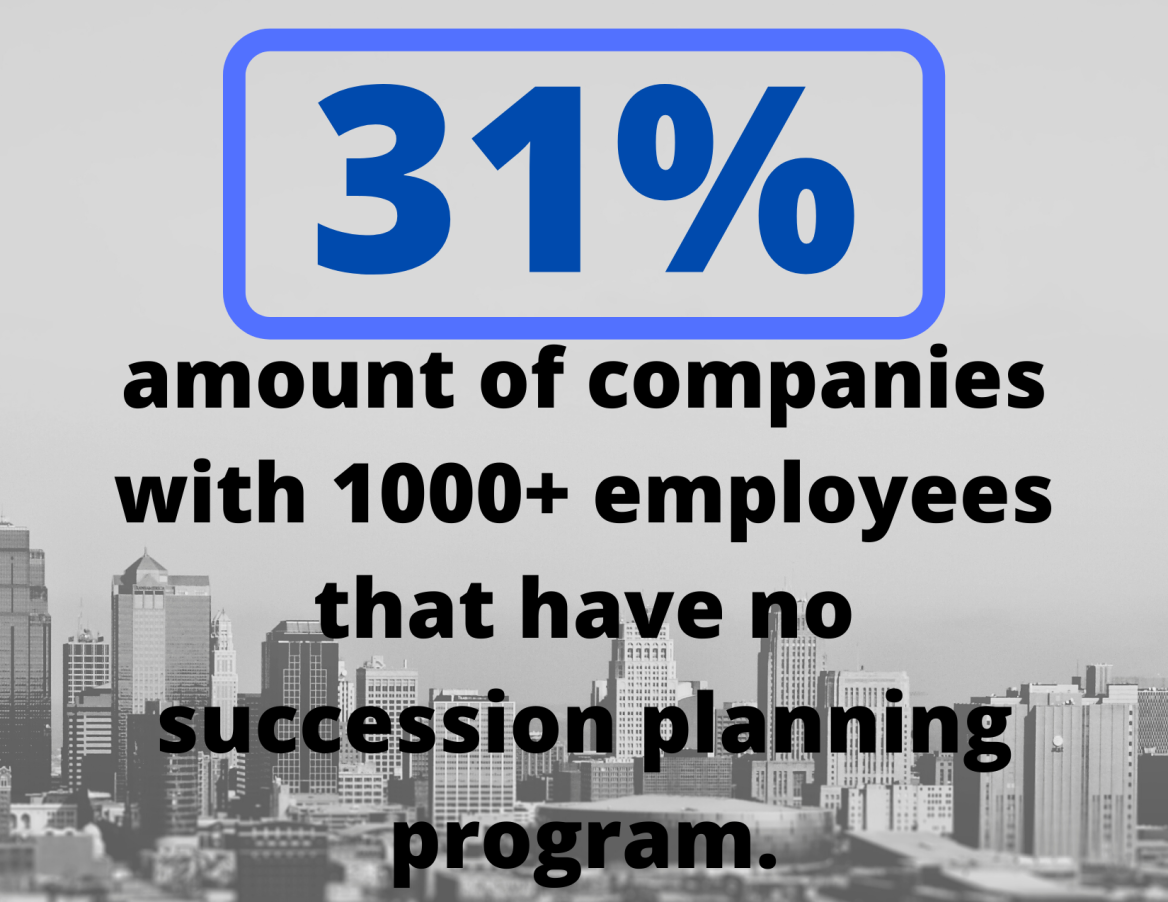
A common reason both small and mid-size companies are without a succession plan is lack of time, resources, and knowledge to successfully develop and implement one. While hiring a succession planning coach or consultant can be a great solution, it is often a premium service with a premium price tag.
For organizations that urgently need expert guidance and are looking for a more cost-effective option, there is the option of hiring a virtual succession planning consultant. What was once seen as an unconventional approach is now a smart, efficient standard — and today's virtual tools make the process just as effective as working in person.
For a quick lesson on virtual succession planning, check out the video below featuring our Managing Partner of Consulting, Jim Bitterle or keep reading the remainder of the blog.
Our Virtual Succession Planning Process: 6 Steps
- Create a Job Task Analysis (JTA). Using a data-driven approach, we identify the specific work requirements of a role — the knowledge, tasks, and responsibilities that must be performed for someone to succeed in that position.
- Generate a Success Profile. Through an assessment of knowledge, skills, and abilities (KSA), we document the behaviors and competencies needed to succeed in a specific role. Today's tools allow us to incorporate skills-based criteria that reflect how modern organizations think about talent — moving beyond job titles to focus on capabilities.
- Identify 1-2 potential candidates and Conduct a Gap Analysis. We identify 1–2 potential candidates, compare them against the success profile from Step 2, and create a gap analysis to pinpoint the areas of growth needed for each individual.
- Assess Candidates and Offer Recommendations. Candidates are assessed using the information gathered above, and targeted development recommendations are provided.
- Develop an Action Plan. A strategic plan of action is developed with goals tied directly to your organizational objectives. This includes establishing an ongoing review cadence — because effective succession planning is a living process, not a one-time event.
- Pre-Implementation Meeting. A final meeting takes place to establish rollout procedures and ensure your team is prepared to execute the plan.
Why Choose Virtual Succession Planning?
The biggest benefits of virtual succession planning are maximizing your time and budget without sacrificing quality. This streamlined process includes the same core components as an in-person engagement, plus these advantages:
Facilitated from any location, on your schedule
Cost-effective — fixed fee for service, no travel overhead
Efficient — typically completed in 4 weeks or less
Scalable — can be conducted for one position or multiple roles across your organization
Leveraging Modern Tools & Technology
Today's succession planning process is enhanced by a new generation of HR technology and AI-powered talent tools. Platforms like Workday, SAP SuccessFactors, and skills intelligence tools allow organizations to map competencies, identify high-potential employees, and track development progress in ways that were simply not available a few years ago. Our virtual process is designed to complement and integrate with the tools your organization is already using — or help you identify which tools would best serve your needs.
The Cost of Waiting
Succession planning is a critical strategic function for organizations of all sizes. Without a thoughtful plan in place, the negative effects on your business can include:
Decline in quality of products or services
Failure to meet financial or strategic goals
Drop in employee morale and confidence
Increased employee turnover
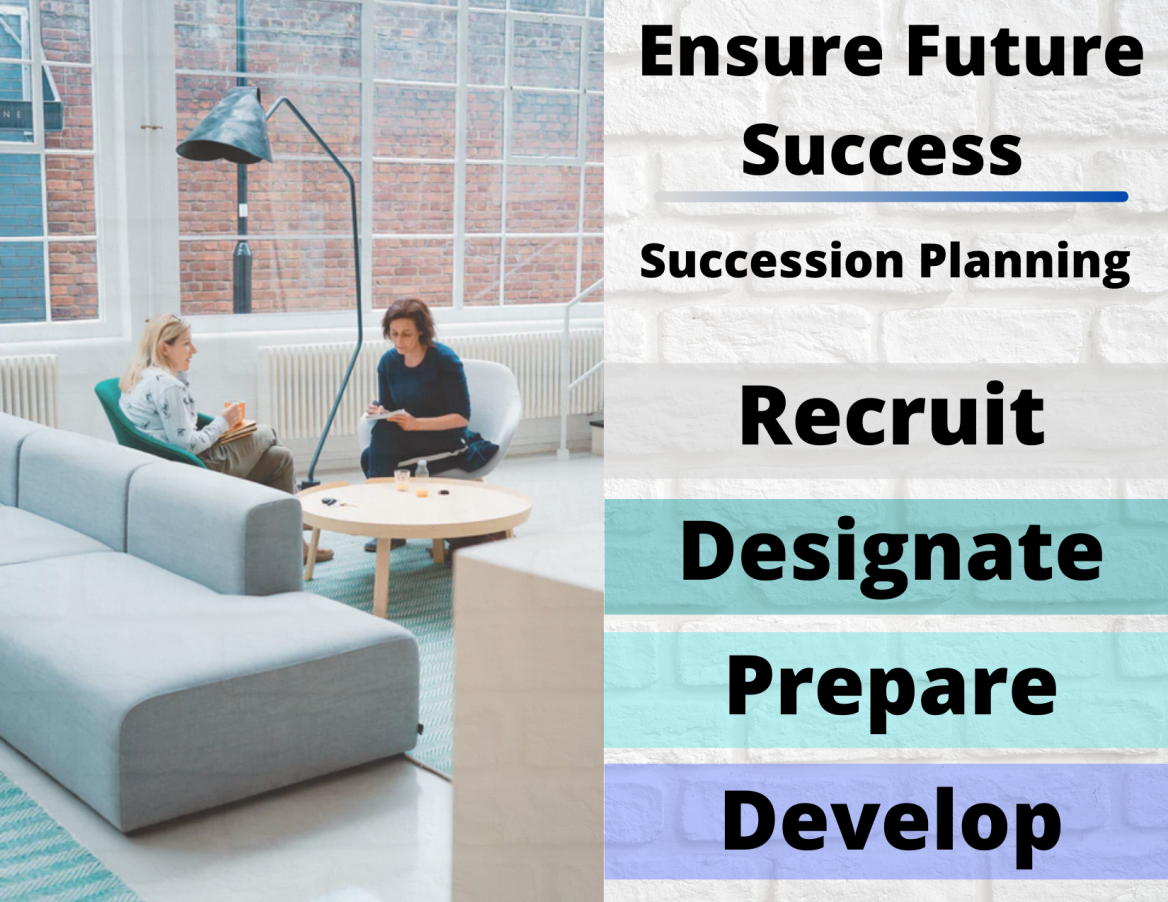
Too many business owners get caught up in day-to-day operations and push longer-range planning to the back burner. The data is clear: organizations that plan proactively outperform those that don't — and those that wait until a transition is forced often have fewer options and less leverage. A solid succession plan ensures your organization recruits, designates, prepares, and develops the right people to fill critical leadership roles when the time comes.
Ready to Safeguard the Future of Your Business?
Don't wait for an unexpected leadership change to expose the gaps in your organization. Our virtual succession planning consultants are ready to help you build a plan that protects your people, your culture, and your bottom line.
For additional free succession planning resources, including the tools referenced in Steps 1–6 above, download our free templates or visit The Comprehensive Guide to Succession Planning for a deeper dive on the topic.
Would you rather speak with one of our succession planning specialists? Fill out the form below and someone will reach out asap!