
WIOA One-Stop Center Certification: A Comprehensive Guide for Local Workforce Development Boards
EDSI
·
Mar 05, 2026
The Workforce Innovation and Opportunity Act (WIOA) mandates that each state establish minimum criteria for certification of One-Stop centers and the One-Stop delivery system. This certification process is fundamental to ensuring customer-focused, seamless services from a network of partners dedicated to helping individuals overcome barriers to employment and career advancement.
One-Stop Operators play a critical behind-the-scenes role in coordinating these services, building partnerships, and driving continuous improvement across the workforce system.
Understanding the Certification Requirement
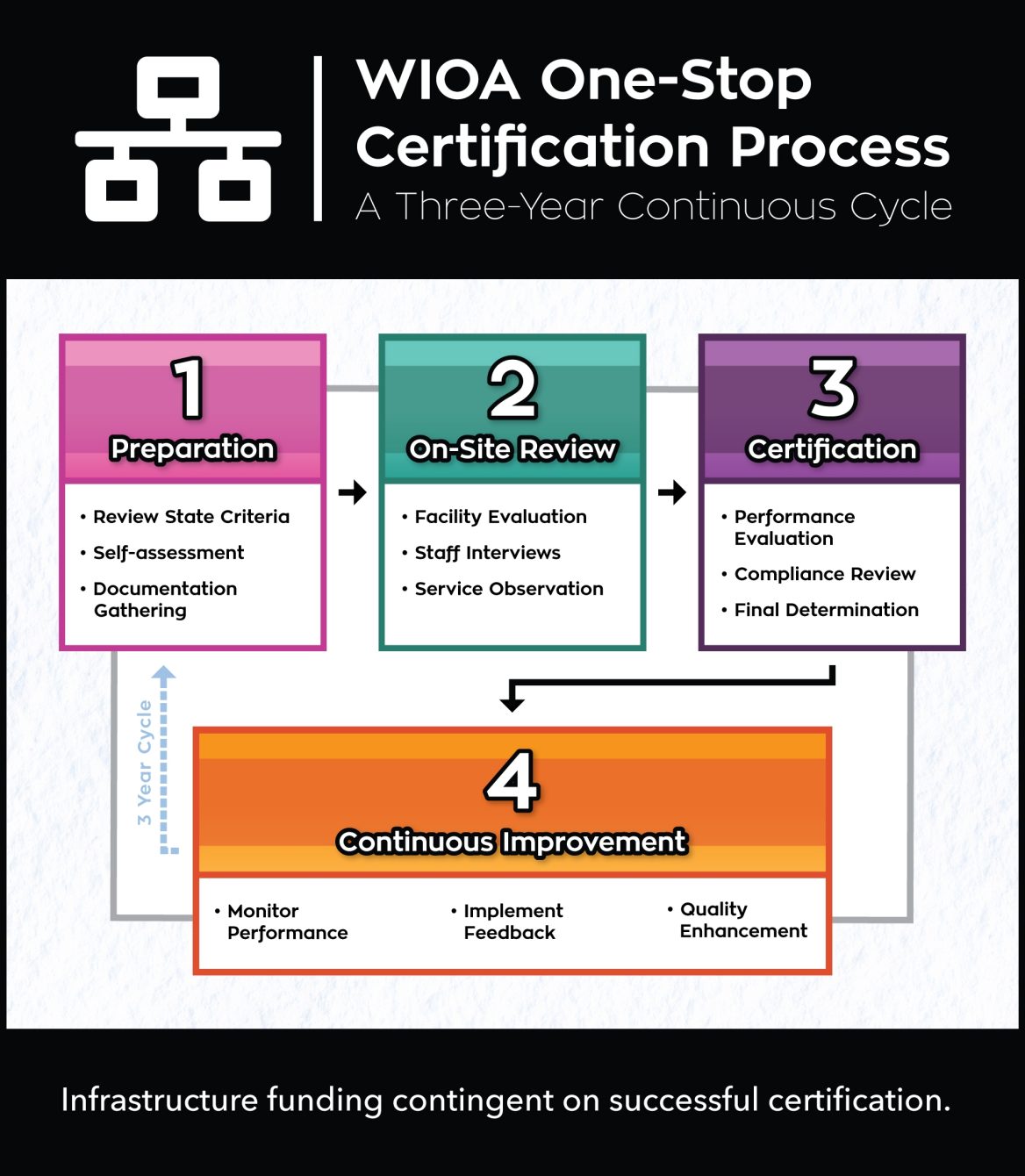
Certification must be conducted by Local Workforce Development Boards (LWDB) at least once every three years for One-Stop centers and the One-Stop delivery system to receive infrastructure funding. This triennial process is critical in establishing minimum levels of quality and consistency of services in One-Stop centers across each state. Research shows that WIOA's intensive services have proven effective in improving employment outcomes, with studies demonstrating that staff-assisted services such as job counseling and career navigation significantly enhance labor market attachment.
Local Workforce Development Boards are charged with assessing the One-Stop centers and delivery system within their region to ensure they meet both WIOA and state criteria, following federal regulations outlined in 20 CFR 678.800.
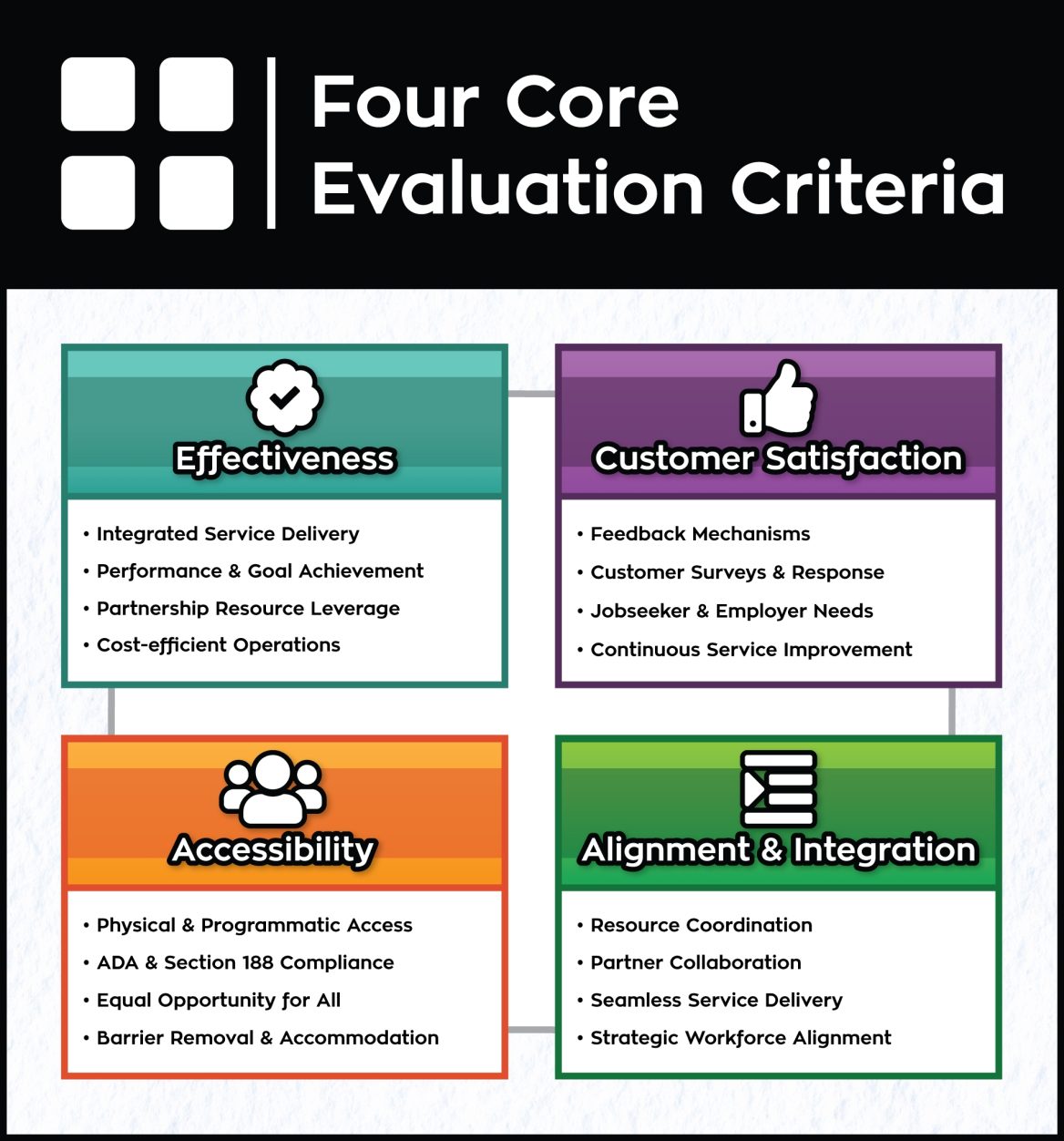
Core Evaluation Criteria
State Workforce Development Boards provide comprehensive criteria to help local WDBs evaluate One-Stop centers across four key dimensions: effectiveness, customer satisfaction, physical and programmatic accessibility, and alignment and integration of resources for continuous improvement.
Service Integration and Performance
The certification review assesses how well the One-Stop center provides integrated services for participants and businesses tied to negotiated performance goals. According to Department of Labor research, effective integration of services across multiple partners is essential for achieving WIOA's vision of a seamless workforce development system. Centers must demonstrate:
- Integrated service delivery for both job seekers and employers
- Partnership effectiveness in leveraging resources to meet workforce development needs
- Responsiveness to local employer employment needs
- Cost-efficient operations within budgetary constraints
- Elimination of service duplication through seamless program
- Provision of services outside regular business hours when workforce needs are identified
Accessibility and Equal Opportunity
WIOA Section 188 and its implementing regulations (29 CFR part 38) require comprehensive attention to accessibility. One-Stop centers must ensure equal opportunity for all individuals, including those with barriers to employment. This includes:
Physical Accessibility Requirements:
- Convenient access via public transportation, driving, or walking
- Professional and welcoming environment displaying One-Stop system branding
- Compliance with Americans with Disabilities Act (ADA) standards
Physical Accessibility Requirements:
- Convenient access via public transportation, driving, or walking
- Professional and welcoming environment displaying One-Stop system branding
- Compliance with Americans with Disabilities Act (ADA) standards
Programmatic Accessibility Requirements:
- Reasonable accommodations and modifications for individuals with disabilities
- Effective communication aids and assistive technology
- Administration of programs in the most integrated settings appropriate
- Auxiliary aids and services to ensure equal participation opportunities
Performance Excellence and Professional Development
Centers must demonstrate they are meeting or exceeding state negotiated levels of performance and other locally established measures. Implementation studies highlight that professional development is a critical factor in achieving performance excellence. Key requirements include:
- Identification and response to technical assistance needs of staff and partners
- Professional staff with requisite abilities, knowledge, and skills to administer services
- Systems for continuing professional development activities
- Utilization of customer feedback mechanisms for both job seekers and employers
- Regular review and assessment of center services
- Implementation of continuous improvement strategies
Some progressive local boards have adopted quality frameworks such as the Malcolm Baldrige National Quality Award criteria to enhance their certification and continuous improvement processes, providing structured approaches to organizational excellence.
Outreach and Engagement Strategies
State and Local WDBs must evaluate the effectiveness of outreach strategies to both employers and individuals who face barriers to accessing services. This is particularly critical for reaching:
- Individuals in remote or rural areas
- Persons with disabilities
- Individuals with limited English proficiency or literacy challenges
- Currently incarcerated individuals preparing for reentry
According to recent policy guidance, effective outreach ensures that all individuals have equal access to services regardless of their circumstances or location.
The Certification Process
Onsite Reviews
An onsite review is a critical component of the certification process. This review enables the local WDB to validate information provided in the Operator's application and address questions that may arise after reviewing written materials. Research on One-Stop operator selection indicates that approximately two-thirds of operators coordinate services and manage day-to-day operations, making thorough on-site evaluation essential.
Reviewer Qualifications
Local WDBs must ensure that members of the review team are appropriately trained and qualified to evaluate applicants against established local certification standards. This includes understanding:
- Federal WIOA requirements and regulations
- State-specific certification criteria
- Quality assurance methodologies
- Accessibility standards and compliance requirements
- Performance measurement and data analysis
Infrastructure Funding Agreements
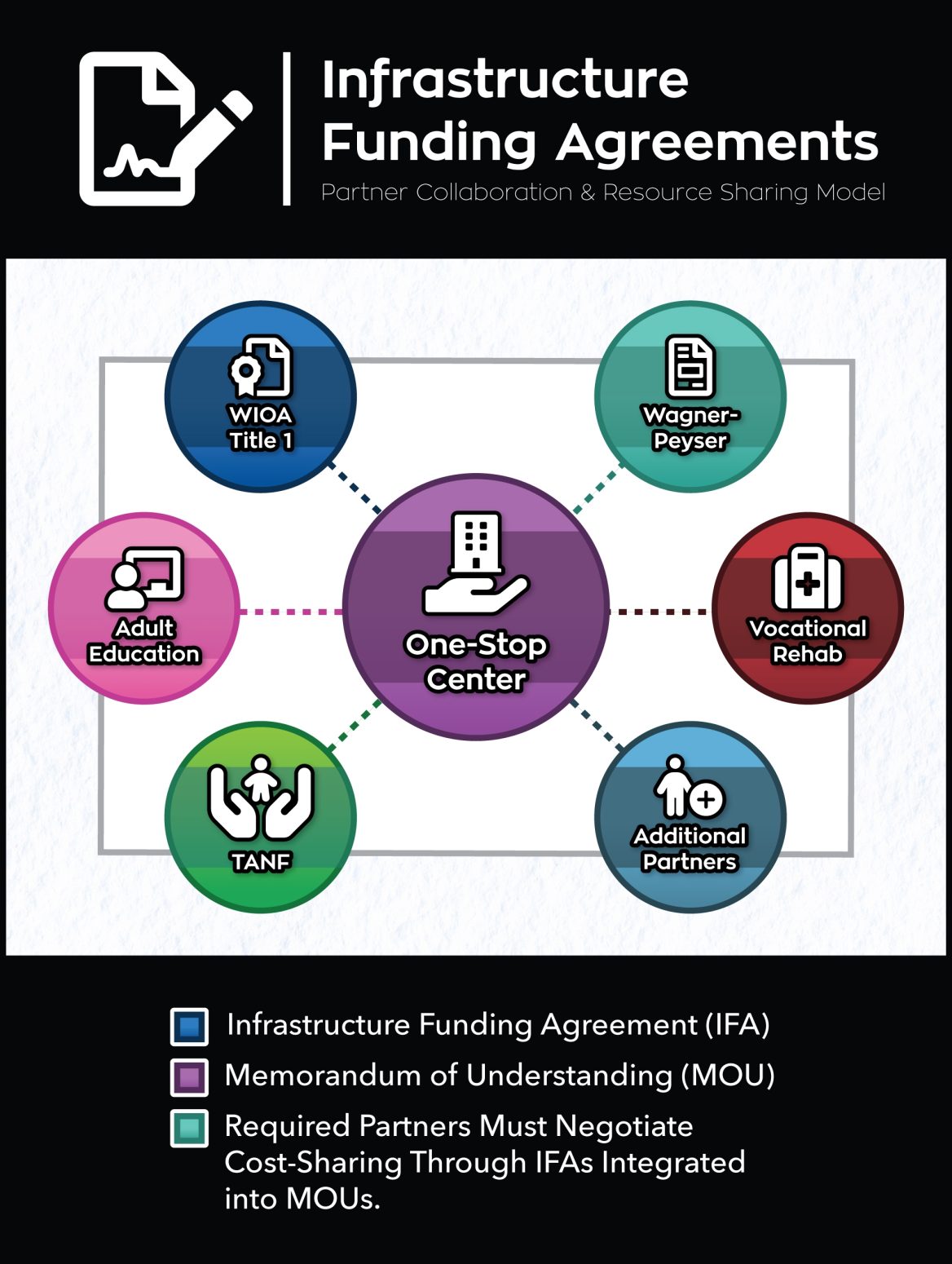
Certification is inextricably linked to infrastructure funding. WIOA explicitly mandates that local boards negotiate and enter into Infrastructure Funding Agreements (IFAs) with all required partners to share American Job Center infrastructure costs. These agreements must be integrated into Memoranda of Understanding (MOUs) with partners, regardless of whether partners are physically co-located. Research shows that despite initial concerns, co-location patterns have remained relatively stable under WIOA's cost-sharing requirements.
Continuous Improvement as a Core Principle
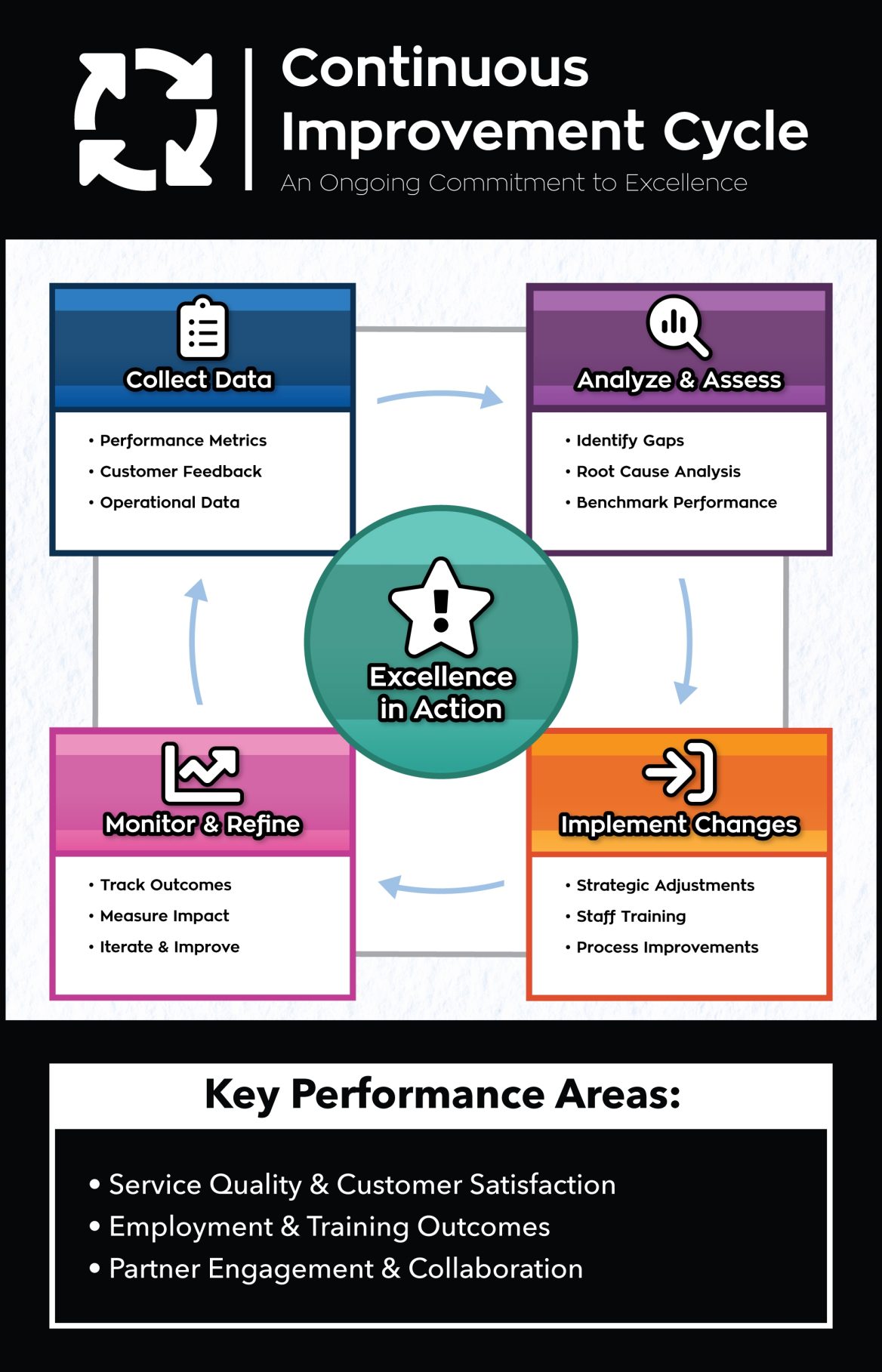
The certification process emphasizes continuous improvement as an ongoing commitment rather than a one-time achievement. Centers should:
- Collect and analyze multiple data resources including performance measures
- Conduct regular customer satisfaction surveys
- Use performance indicators to identify technical assistance needs
- Provide professional development opportunities aligned with current policies
- Monitor and respond to changing workforce needs
- Share best practices across the One-Stop delivery system
Studies on WIOA implementation reveal that states implementing systematic continuous improvement approaches demonstrate better outcomes in service integration, partner engagement, and performance achievement.
Preparing for Certification Success
For Local Workforce Development Boards
LWDBs should take proactive steps to prepare for certification, including:
- Reviewing State Guidance: Thoroughly examine state-established criteria and procedures for certification
- Assembling Qualified Review Teams: Ensure reviewers have appropriate training in WIOA requirements, accessibility standards, and quality assessment methodologies
- Establishing Local Standards: Develop additional local criteria beyond state minimums where appropriate to address unique regional needs
- Creating Documentation Systems: Implement processes for gathering and organizing evidence of compliance and performance
- Building Partnerships: Strengthen relationships with all required partners and ensure MOUs and IFAs are current and effective
For One-Stop Centers
Centers should prepare by:
- Conducting Self-Assessments: Regularly evaluate operations against certification criteria
- Addressing Gaps Proactively: Identify and remediate any areas of non-compliance before formal review
- Documenting Performance: Maintain comprehensive records of services, outcomes, and improvement initiatives
- Engaging Stakeholders: Gather feedback from job seekers, employers, and partner organizations
- Investing in Staff Development: Ensure all staff members are trained on current policies, procedures, and accessibility requirements
- Demonstrating Innovation: Highlight new strategies and services that advance the workforce system's mission
The Path Forward
The certification process represents more than a compliance requirement—it's an opportunity to strengthen the workforce development system and ensure that One-Stop centers deliver high-quality, accessible services that truly meet the needs of job seekers and employers. As the workforce landscape continues to evolve, the certification process helps centers adapt, innovate, and maintain their critical role in supporting economic mobility and workforce resilience.
By taking a comprehensive, proactive approach to certification, Local Workforce Development Boards and One-Stop centers can ensure they not only meet WIOA requirements but also establish themselves as high-performing cornerstones of their local workforce ecosystems.
Need Support with Your Certification Process?
If you need assistance with WIOA One-Stop center certification, workforce system development, or ensuring your centers meet state and federal requirements, EDSI's WIOA Policy and Program Consulting services can provide guidance tailored to your region's specific needs and challenges. With over 40 years of national experience in WIOA implementation and workforce development, EDSI understands the requirements and their impact on local workforce board operations.
Ready to discuss how we can support your certification journey?
Complete the form below, and one of our workforce development specialists will reach out to schedule a consultation tailored to your region's unique needs and timeline.