
Chester County, PA Spotlight: Career Corps Helps Youth Prepare for Life After High School
Graduating high school is a momentous occasion, but not every student has a clear path forward. While some head straight to four-year colleges, many young adults today face uncertainty about their next steps. Undergraduate enrollment has declined about 8.5% since 2010, and the challenges young people face in entering the workforce are mounting. Youth unemployment reached 10.8% in July 2025, significantly higher than the overall unemployment rate of 4.3%.
For many young people in Chester County, Pennsylvania, the transition from high school to career isn't straightforward. They may lack a strong support system, face barriers to employment, or simply need guidance navigating their options. That's where EDSI's Career Corps program makes a vital difference—and 2025 proved to be a year of remarkable growth and impact.
What Career Corps Offers
Career Corps is Chester County's youth employment program, serving residents ages 16-24 who face barriers to employment. These barriers might include having an Individualized Education Program (IEP), coming from a low-income household, being involved in the criminal justice system, or being a teen parent. Many of these young people don't have a role model showing them what opportunities exist after high school, and traditional guidance counselors may not be equipped to connect them with alternative educational, training, or employment pathways.
Located at the PA CareerLink in Exton, Career Corps receives federal funding through the Workforce Innovation and Opportunity Act (WIOA) administered by the Chester County Workforce Development Board. This means all services—including career planning assistance, paid internships, on-the-job training, soft skills development, workplace etiquette training, resume workshops, and more—are provided at no cost to participants.
Expanding Outreach and Building Connections
The Career Corps program began 2025 with a strong focus on youth engagement and outreach. In January, the team worked diligently to maintain regular contact with active participants while expanding the pipeline to eight potential enrollees. Recognizing that accessibility is key to reaching young people who need support, Career Corps established weekly office hours at the Chester County Library, meeting youth where they are in the community.

The program also strengthened partnerships with local educational institutions, delivering presentations at Tri-County High School (TCHS) campuses ahead of their Career Fairs. These efforts laid the groundwork for deeper community engagement and created multiple touchpoints for young people to learn about available services.
By February, outreach momentum continued despite staffing challenges. The pipeline grew to 19 potential participants, and collaboration with Philadelphia Youth counterparts ensured continuity in services. Career Corps delivered four presentations at TCHS locations and attended the West Grove Career Fair, connecting with 10 employers and identifying seven promising candidates for the program. This multi-pronged approach—combining school-based outreach with community events—proved essential for reaching youth at various stages of their post-high school journey.
Strategic Community Partnerships Drive Impact
Spring 2025 marked significant progress in building the collaborative ecosystem that makes Career Corps successful. In April, the program secured five new enrollments, three of which came through referrals from the Melton Center—a testament to the power of community partnerships. When organizations work together with shared goals, young people benefit from coordinated support that addresses their varied needs.
To strengthen these partnerships further, Career Corps hosted a Community Partners Breakfast, bringing together organizations including Chester County OIC, Tabor Youth Services, and Juvenile Probation to align on shared goals and identify opportunities for collaboration. The program also expanded its employer network, engaging with businesses such as Goodworks Inc., Graber Supply, and ServPro to open doors for future paid work experiences.
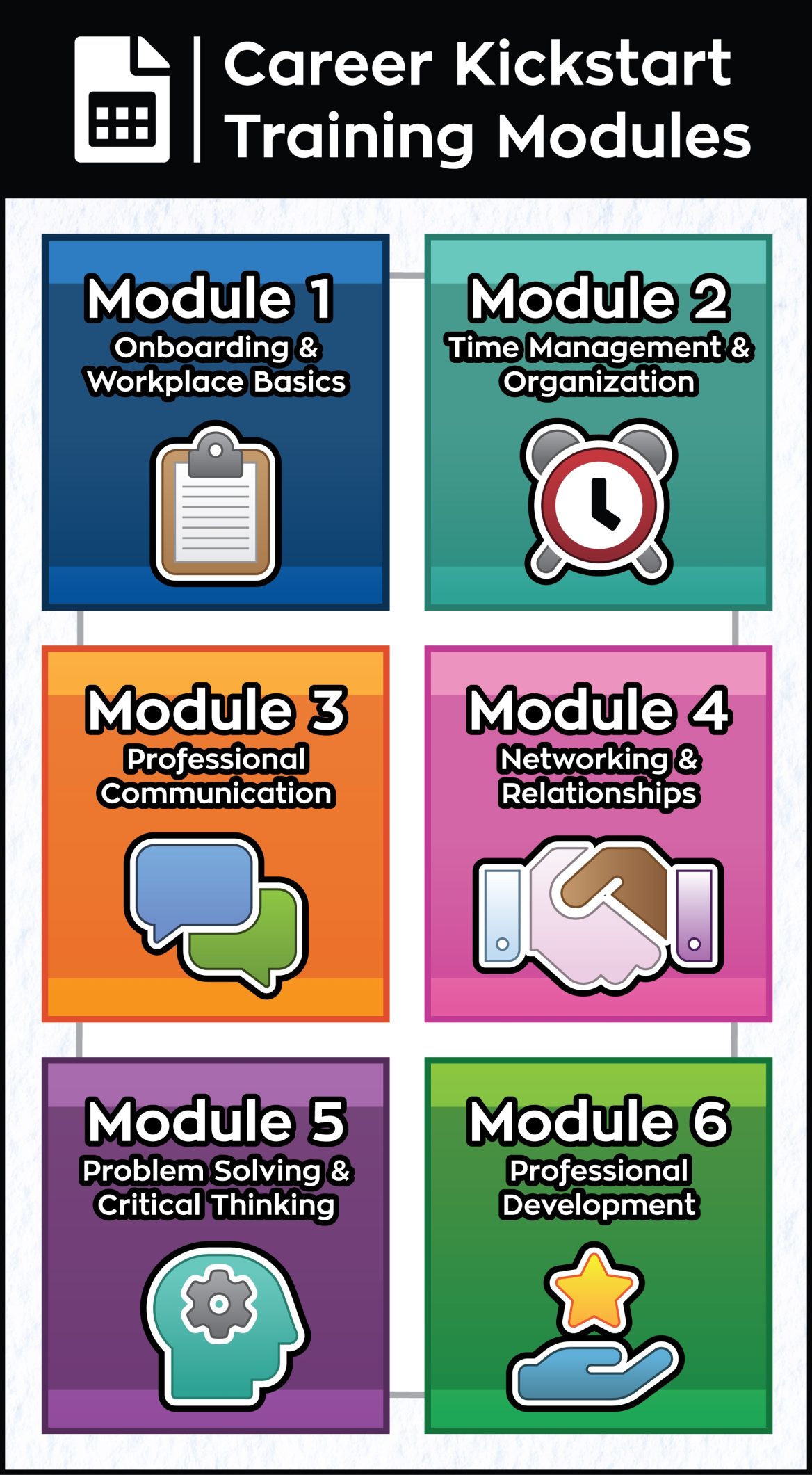
May proved to be a milestone month with 10 new youth enrollments and the launch of the first Career Kickstart cohort at the Melton Center. This innovative six-module training prepared eight participants for success in paid work experiences, covering essential topics like onboarding, time management, and networking—skills that are often overlooked but critical for workplace success.
Partnerships expanded to include the Housing Authority of Chester County, PECO, and local school districts, reinforcing Career Corps' commitment to holistic youth development that addresses employment, education, and life skills simultaneously.
Turning Training Into Real Opportunity
Summer brought tangible results as Career Corps' investments in training and partnerships translated into meaningful paid work experiences. In July, eight youth participated in placements at Two Fish and Five Loaves Community Café at the Melton Center, gaining hands-on experience in food service and customer relations. These weren't just jobs—they were opportunities for young people to test out workplace environments, build confidence, and develop professional skills in supportive settings.
One youth used the Career Corps platform to pursue advanced training through Thaddeus Stevens College of Technology, inspiring peers to explore career pathways aligned with community initiatives like Whole Home Repair. This ripple effect demonstrates how one participant's success can motivate others to pursue their own goals.
Recognizing that practical barriers often prevent young people from accessing opportunities, Career Corps provided critical supportive services throughout the summer, including transportation assistance for youth engaged in work programs. This holistic approach acknowledges that career success requires more than just skills training—it requires removing the obstacles that stand in the way.
Deepening Relationships and Expanding Horizons
The latter half of 2025 focused on deepening relationships and expanding opportunities for participants. A new Youth Career Advisor joined the team in August, quickly building rapport with participants and facilitating enrollments, including youth entering Commercial Driver's License (CDL) training programs—a pathway to well-paying careers in high demand.
Career Corps continued its proactive outreach, delivering presentations to organizations like Family Services of Chester County and Phoenixville Area Resource Network to ensure that social service providers could connect their clients with employment support. This cross-sector collaboration creates a safety net where young people can access coordinated services regardless of which door they enter.
Fall saw additional enrollments and active participation in workforce development meetings, keeping Career Corps aligned with broader regional employment strategies. The program engaged at community events like Career Link Awareness Day, raising visibility and ensuring that young adults and their families knew where to turn for support.

In a forward-thinking move, Career Corps sponsored youth attendance at the Tech360 AI for All conference, exposing participants to emerging technology careers and helping them envision possibilities they may not have previously considered. As traditional career paths evolve, programs like Career Corps play a crucial role in connecting young people to the jobs of tomorrow.
A Model for Youth Workforce Development
What sets Career Corps apart from typical employment services is its comprehensive, community-centered approach. Rather than simply placing young people in jobs, the program builds an ecosystem of support that includes:
Strategic Partnerships: Collaborating with schools, community organizations, employers, and social service agencies to create coordinated support systems
Accessible Services: Meeting youth where they are through library office hours, school presentations, and community events rather than expecting them to navigate bureaucratic systems alone
Skill-Building Programs: Offering structured training like Career Kickstart that prepares participants for workplace success with modules on essential professional competencies
Paid Work Experiences: Providing internships and work placements that allow young people to earn income while gaining valuable experience—addressing both immediate financial needs and long-term career development
Supportive Services: Removing practical barriers like transportation that prevent young people from accessing opportunities
Individualized Attention: Working with each participant to understand their unique circumstances, interests, and goals, then tailoring support accordingly
"Through strategic outreach, strong community partnerships, and meaningful paid work experiences, Career Corps empowers youth to build skills, gain confidence, and pursue career pathways that lead to self-sufficiency. Local employers want the talent but not the cost — Career Corps bridges that gap through grant-funded internships, creating a true win-win for both the participant and the employer."
— Josephine Girdner, EDSI Program Manager


Looking Ahead: Building Chester County's Future Workforce
By year's end, Career Corps had demonstrated resilience, adaptability, and measurable impact. Through strategic outreach, strong community partnerships, and meaningful paid work experiences, the program empowered youth to build skills, gain confidence, and pursue career pathways that lead to self-sufficiency.
The numbers tell part of the story—expanded pipelines, successful enrollments, completed training cohorts, and work placements. But the real impact lies in the individual young people who found direction when they felt lost, gained skills that transformed their confidence, and discovered career possibilities they hadn't imagined.
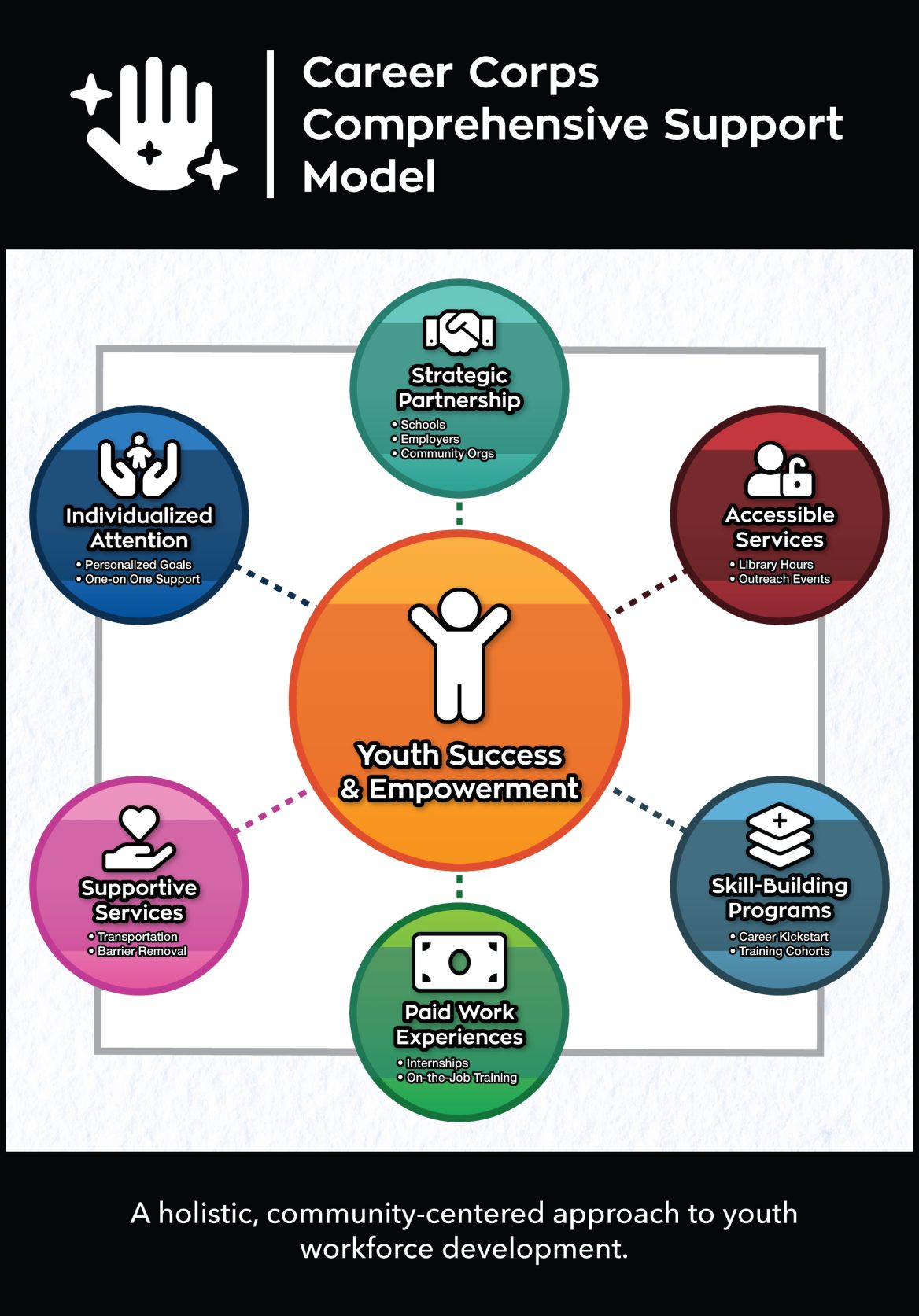
EDSI's operation of Career Corps in Chester County serves as a model that can be replicated in other regions. By combining personalized attention, practical work experience, skills training, and comprehensive support services, the program addresses both immediate employment needs and long-term career development during a critical transition period.
As we move into 2026, Career Corps remains committed to expanding opportunities and fostering success for the next generation of Chester County's workforce. For young people facing barriers to employment, Career Corps offers more than just job placement—it provides a pathway to independence, career success, and a brighter future.
Interested in launching a Career Corps program in your region? Ask your local WDB about youth programs or contact EDSI, as we operate similar programming in regions across the country.
If you'd like one of our staff to reach out to you personally, fill out the information form below.