How to Use WIOA Funds to Engage Out-of-School Youth

EDSI ·

Engaging out-of-school youth (OSY) is a critical priority under the Workforce Innovation and Opportunity Act (WIOA). With the right strategies, workforce boards and service providers can use WIOA funds to reconnect young people to education, employment, and career pathways.

Under WIOA, youth services are available to individuals ages 14–24 who face barriers to education or employment. Out-of-school youth (OSY) are typically ages 16–24 and not enrolled in school, while in-school youth (ISY) are ages 14–21 and enrolled in school but meet low-income and other eligibility criteria. 

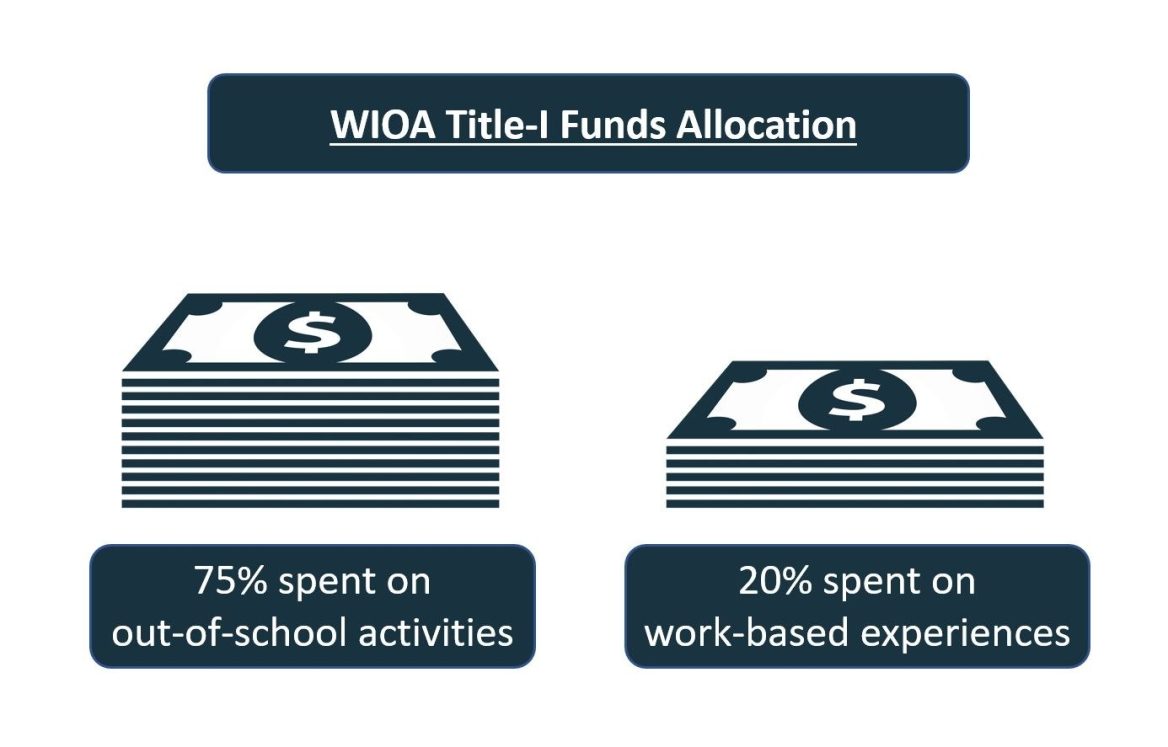
Federal law requires that at least 75% of local youth formula funds be spent on OSY and at least 20% be used for work-based learning experiences.

Understanding the Opportunity

WIOA funding gives local workforce systems the flexibility to design programs that meet the unique needs of disconnected youth. Many OSY face complex challenges, including basic skills gaps, housing instability, justice involvement, parenting responsibilities, or lack of work experience.

To address these needs, WIOA requires that local programs make 14 youth program elements available. These include tutoring and dropout recovery services, alternative secondary school options, paid and unpaid work experiences with academic and occupational learning, occupational skills training, leadership development, supportive services, adult mentoring, financial literacy education, entrepreneurial skills training, labor market and career awareness, and referrals to community resources.

Providing access to this full continuum of services allows programs to meet youth where they are and support long-term success.

Prioritizing Work-Based Learning

Work experience is one of the most effective engagement strategies for OSY. WIOA requires that a minimum of 20% of youth funds be spent on work-based learning activities, including:

  • Paid and unpaid internships
  • Summer employment
  • On-the-job training
  • Pre-apprenticeships and apprenticeships
  • Job shadowing and career exploration
  • Work-based learning helps youth build confidence, develop workplace skills, and establish connections with employers.

Programs are most effective when work experiences are paired with structured academic and occupational learning, career coaching, and supportive services such as transportation, childcare, or work attire.

Strengthening Outreach and Partnerships

Successfully engaging OSY requires proactive outreach and strong community partnerships. Effective strategies include:

  • Partnering with community-based organizations, shelters, and justice programs

  • Collaborating with schools on dropout recovery and re-engagement

  • Connecting with employers willing to offer flexible entry-level opportunities

  • Using social media and peer outreach to reach disconnected youth

Many local areas are also expanding partnerships with mental health providers, housing organizations, and community colleges to address the broader needs that often impact participation and retention.

Focusing on Outcomes and Accountability

WIOA emphasizes performance and long-term impact. States and local areas track key performance indicators such as employment or education after program exit, credential attainment, measurable skills gains, and median earnings. Aligning program design with these outcomes helps ensure youth services deliver meaningful results.

WIOA Youth Program requirements are codified in 20 C.F.R. Part 681 and supported by U.S. Department of Labor Training and Employment Guidance Letters (TEGLs), including TEGL 21-16 and more recent guidance that reinforces the importance of career pathways, high-quality work experiences, and strong employer engagement.

By the Numbers

National results highlight the impact of these efforts. According to the U.S. Department of Labor’s Program Year (PY) 2023 WIOA National Performance Summary, 72.7% of youth participants were employed in the second quarter after exit and 73.4% in the fourth quarter. The national credential attainment rate was 61.8%, and measurable skill gains were reported for 63.2% of participants.

U.S. Department of Labor WIOA Performance Results

Building Career Pathways for Long-Term Success

Engagement is only the first step. Effective OSY programs focus on helping participants move into sustainable career pathways through:

  • Industry-recognized credential training
  • Career exploration aligned with local labor market demand
  • Postsecondary education and training transitions
  • Ongoing mentoring and follow-up services

High-performing programs integrate career pathways, employer partnerships, and supportive services to help youth progress from initial engagement to long-term employment and advancement.

How EDSI Supports WIOA Youth Success

Workforce boards and community partners often need additional capacity, expertise, or innovative strategies to meet OSY requirements and performance goals.

EDSI partners with workforce organizations to design and deliver high-impact youth programs that strengthen OSY outreach, expand work-based learning opportunities, and align services with federal requirements and local employer demand.

Learn more about our workforce development solutions: https://www.edsi.com/services/workforce-development

Enhance your WIOA youth services delivery!

Whether you’re looking to strengthen OSY engagement, expand high-quality work experience strategies, or align your programs with the latest federal guidance and performance requirements, EDSI can help. 

Ready to Strengthen Your OSY Strategy?

Connect with our team below to explore solutions that improve outcomes for the youth you serve.