
Creating Effective Virtual Summer Job Programs for Youth
The future of youth workforce development is increasingly digital. As learning delivery evolves rapidly, virtual and hybrid programs have emerged as powerful tools for connecting young people with meaningful work experiences and career opportunities. While the shift to remote learning accelerated during the pandemic, today's virtual workforce programs have matured into sophisticated, proven models that complement and enhance traditional in-person programming.
The need has never been greater. Globally, over 269 million young people are not in employment, education, or training, and youth unemployment rates are nearly 3.5 times higher than adult rates. In the United States alone, failing to engage opportunity youth costs an estimated $55 billion annually. Virtual learning programs are being introduced by cities, mayor's offices, large employers and other community-based organizations to help bridge this gap.
For example, here in Michigan we have the Grow Detroit's Young Talent initiative, hosted by the City of Detroit and Detroit Employment Solutions Corporation (DESC). In 2025, the program served over 8,000 Detroit youth between ages 14-24, providing 87,734 total jobs since the program launched in 2015. With the help of community funding, business partnerships and employer support, the program has successfully integrated virtual curriculum alongside traditional workplace experiences. Training youth to fill jobs in the community is also a huge benefit for employers looking to source young talent.
In this article, you will learn about the digital solutions used to build a successful online learning experience for youth along with best practices for implementing virtual programming.
The Grow Detroit's Young Talent Program
Every summer, the City of Detroit offers thousands of local youth the opportunity to participate in meaningful work experience and training that often leads to employment. Traditionally, youth were placed to work with employers onsite. Local employers would hire the youth for the summer and they would work with professionals, attend events, complete team projects, etc. When the pandemic hit in spring 2020, the City started reaching out for help to digitize the summer youth work experience program, knowing they wouldn't be able to offer the traditional in-person learning that had been done in years past.
EDSI's Role in the Program
EDSI became a partner in the program because of the company's track record with providing quality training and education. The City reached out once it was known that in-person learning would need to transition to a digitized learning experience.
This was a natural collaboration with the City and local employers, as EDSI also runs several fast-track boot camp training programs in manufacturing and healthcare that aim to help Detroit residents earn a certification and secure employment.
EDSI's role in the GDYT program includes the instructional design, development and deployment of an online curriculum for Detroit youth participants. Specifically, EDSI built an innovative training platform that allows youth to engage digitally with employers in high-growth industries through a robust, customized online curriculum curated by the instructional design team.
Besides the technical side of preparing and launching the program, EDSI's curriculum team built a full 6-week digital curriculum and secured instructors to help facilitate portions of the learning experience.
Virtual Curriculum Design and Best Practices
The 6-week curriculum runs 4 days per week for 5 hours per day, including 1 hour of live instruction often with an employer partner and 4 hours of blended individual/team/capstone work. The live workshop is taught by an instructor or business professional and could include a guest speaker, meet & greet with an employer, or a panel conversation with 3 or 4 employers to give youth the opportunity to have face time with professionals in the business arena.
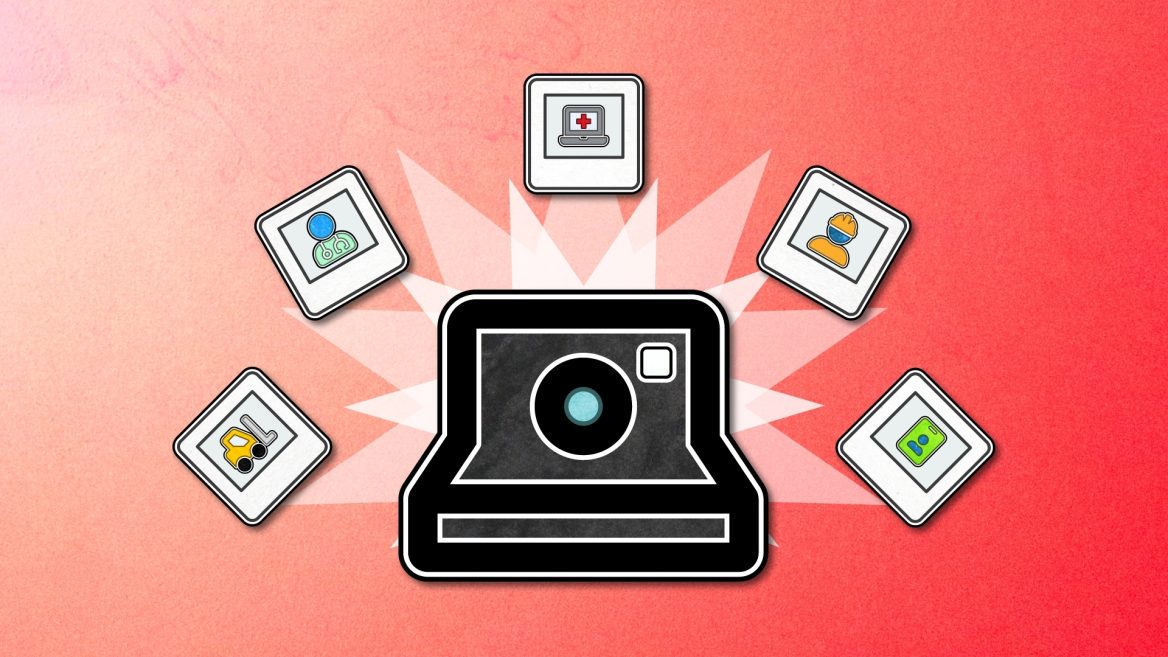
Depending on each student's interest/career path, they are assigned to one of these 5 occupational training cohorts:
- IT
- Manufacturing
- Healthcare
- Construction
- Customer Service
Q: Can you give us a snapshot of what the curriculum looks like? What are best practices in designing virtual curriculum for youth?
A: The 6-week curriculum runs 4 days per week for 5 hours per day, including 1 hour of live instruction often with an employer partner and 4 hours of blended individual/team/capstone work. The live workshop is taught by an instructor or business professional and could include a guest speaker, meet & greet with an employer, or a panel conversation with 3 or 4 employers to give youth the opportunity to have face time with professionals in the business arena.
Depending on each student’s interest/career path, they are assigned to one of these 5 occupational training cohorts:
- IT
- Manufacturing
- Healthcare
- Construction
- Customer Service
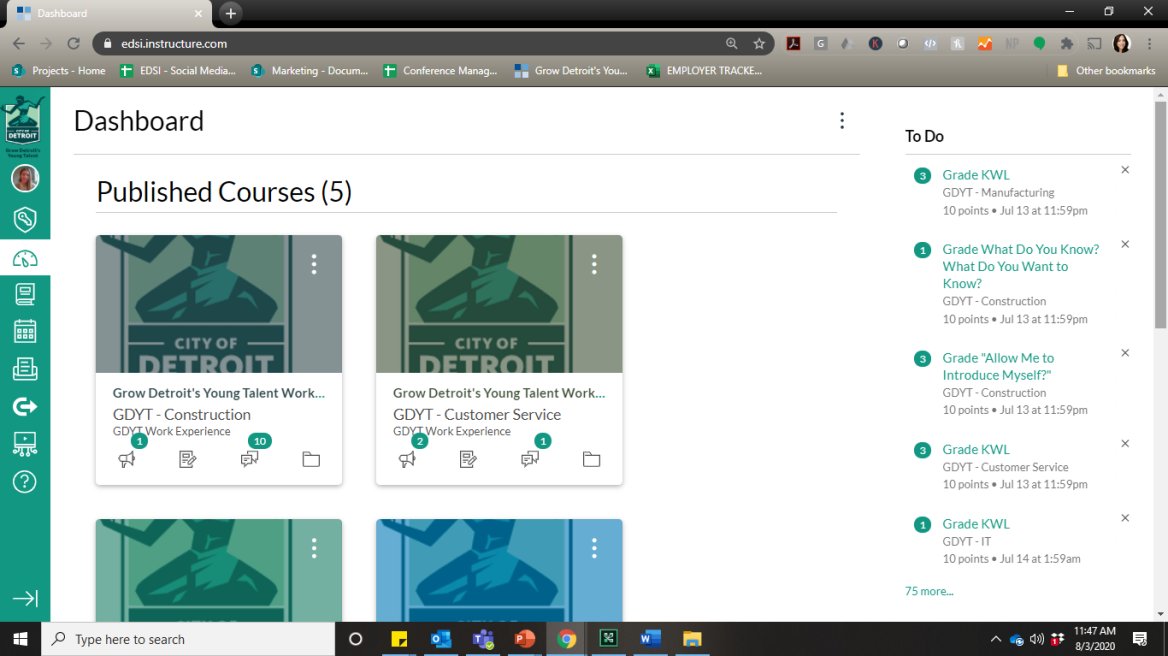
As an example, the capstone for the IT cohort is to build a fully functional website. Pictured below is an image of the IT virtual work experience.
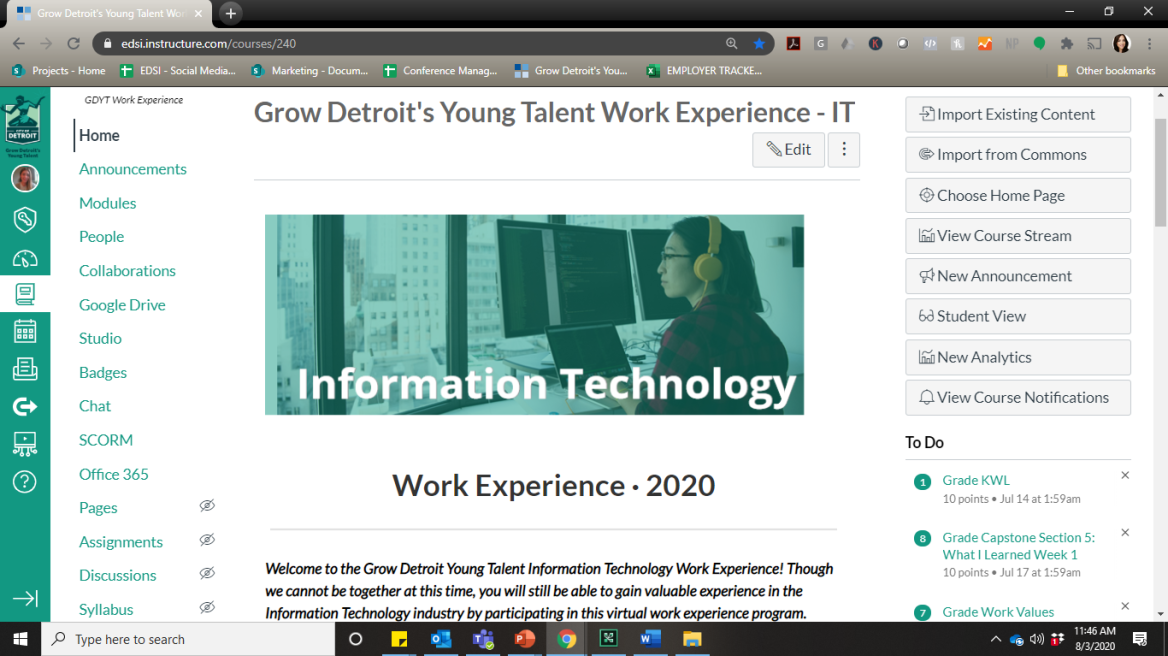
As an example, the capstone for the IT cohort is to build a fully functional website.
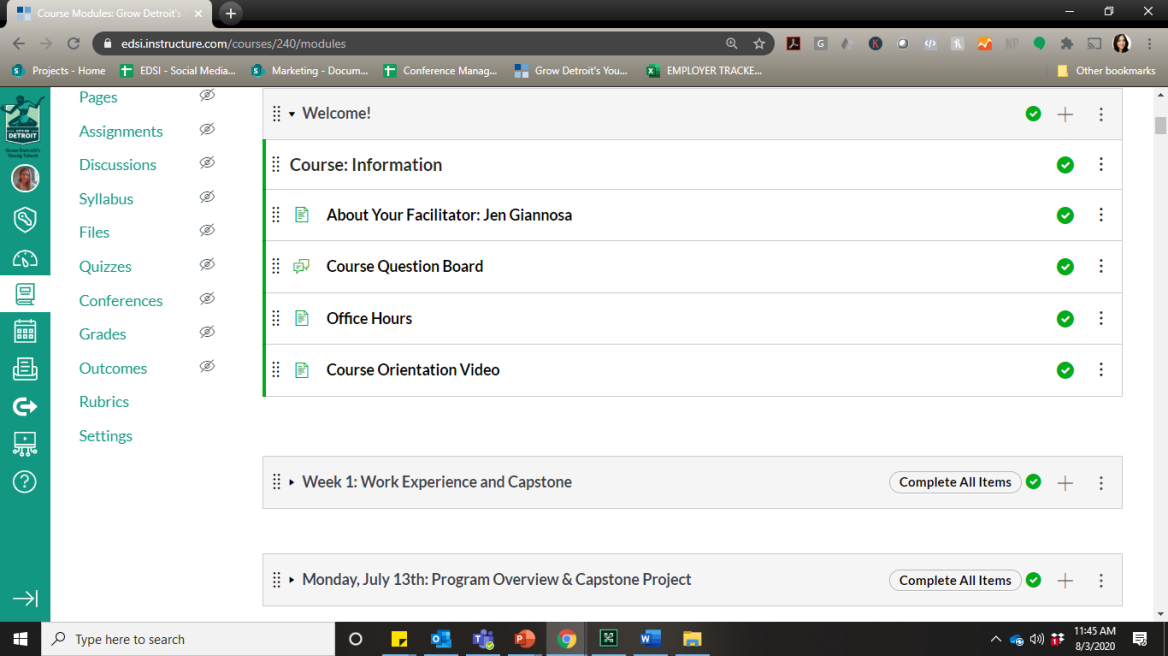
Best practices for virtual learning show that students respond well to having a "dashboard" of activities and goals to track progress. Every day has a customized breakdown/daily plan for the youth to follow, including an hour-long instructional piece that educates students on a career-related topic and sets expectations for remote work completion.
Here's an hour-by-hour overview of the daily online curriculum:
- To-do list for tasks
- Live workshop
- Group work
- Activities/Assignments to complete
- Quizzes/Tests
- Work experience
- Capstone progression
The digital curriculum dashboard allows students to connect with fellow students and includes time built in for employers to meet one-on-one with students on a regular basis during the program.
Benefits for Employers
This program is a great way for employers to source young talent in the city. Employers support their community by making a direct impact on youth learning and training in support of educating and preparing them for employment.
There's less of a time commitment for employers when working virtually. Traditionally, the staff at GDYT would coordinate all the youth to be placed onsite at various employers, but now with digital curriculum, students aren't being placed, so it's a savings in time and space.
Employers still have a strong impact on the youth by helping to coach and guide them through video conferencing, one-on-one meetings, roundtable conversations, career pathway discussions, etc.
Student Benefits with Virtual Programming
The gamified system appeals to youth and has cool, innovative features to make it fun and interactive. This goes way beyond hearing an instructor lecture for an hour. There are some great incentives along the learning path that include digital badges for youth to earn as well as completion rewards.
The goal is to model what is being done at the collegiate level, like having a video-based instructor versus an in-person instructor – that's a real-life scenario. The youth-employer connection is invaluable for networking and seeking long-term opportunities beyond this program, such as work-based learning or full-time job opportunities. The youth have a chance to work as a consultant on a team for the capstone project they will present to the employer. It doesn't get more real than that in the world of work!
Life Skills and Career Readiness
By using this creative approach in how we connect with, educate and prepare our young people in the areas of job preparation and ultimately employment, they learn important life lessons such as time management, communication and networking. In life, things don't always go as planned and adapting to evolving learning formats is an important skill for our youth to take with them into their careers.
Most importantly, the virtual work experiences the youth are having by working on capstone projects where they focus on real problems and solutions for employers is invaluable and introduces them to actual workplace scenarios and situations.
What Makes the Curriculum Effective
The customization and content are what make the curriculum unique. All the content is brand new. The packaging of this content has been curated to match the specific needs of the city of Detroit. Everything is customized to the city, to the employers, the participants and partners. The team has built a core platform to congregate, distribute and create accessibility of content in an effective and efficient way.
Other vendors pitched off-the shelf solutions and the city chose the custom program. EDSI is proud to deliver a product formed as a result of its relationship with the city, and a deep understanding of what they wanted to accomplish was crucial in the process.
Delivering Innovative Virtual Youth Programming
For EDSI, it's all about engagement. The goal is not to run an extension of high school. The ultimate goal is to seamlessly run a very hands-on (even though it's virtual) program in an effective and fun way for kids who need positive programming.
Running an innovative, quality virtual program like this is a testament to the ability to pivot and meet the needs of the ever-changing learning landscape. It's very rewarding and EDSI is thrilled to be able to continue to support connecting Detroit residents, youth and employers now and in the years to come.
Funding and Getting Started
Fortunately, many foundations and corporate sponsors stepped up to support our youth by contributing money and resources for this unique initiative.
Relationship-building is the key here. Any entity can start the process. Employers can work with community-based partners in their area such as chambers of commerce, local workforce boards and partners to contribute their strengths and resources to collaborate and design the program.
Here are some questions to help you explore the funding and program development process:
- What community partners or sponsors can be identified?
- What similar (if any) programming has been done in the past?
- What are you looking to replace/improve/keep?
- What industries are prevalent in your area?
- Which employers want to play a role in this?
- What skills/career pathways do you want to promote to youth?
Long-Term Opportunities in Virtual Learning
At EDSI, virtual learning is being infused into many existing programs that serve both youth and adults. The convenience and accessibility alone have allowed the organization to connect to even more populations needing their services.
Workforce Boards across the U.S. are increasingly integrating digital programming into their service delivery models. According to the U.S. Department of Labor's Youth Systems Building Academy, delivering a "no-wrong-door" youth workforce system through innovative digital approaches is a critical strategy for ensuring young workers are prepared for today's labor market. EDSI is excited to work even more closely with boards and cities to shape ideas and concepts of innovative ways to allocate funding for programming and show them what digital learning solutions can look like.
Virtual learning offers long-term access to training content and engagement with a larger variety of employers and businesses beyond the region who may need these services even when in-person learning resumes.
Measuring Success
rogram partners help review curriculum content and surveys are completed by youth along the way to gauge their experience and provide an opportunity for feedback on what worked well and what could be improved. Post-program follow-up with youth tracks completion and placement rates, including how many students gain employment in a specific sector.
Looking ahead, the Grow Detroit's Young Talent program will be offering a new cohort for summer 2026, continuing its commitment to providing Detroit youth with meaningful work experiences and career preparation opportunities.
Are you interested in developing a virtual learning program?
We’re here to talk with you about potential solutions.
Replicability and Regional Customization
EDSI understands the importance in researching and assessing the unique needs of a particular region. The organization has an extensive content library that it taps into to tailor customized and structured plans to match an organization's initiatives and goals.
When you take the time to build regional connectedness, it's easier to work together to figure out solutions. The great thing about virtual programming is that it can reach anyone in any area, regardless of the topic or audience.